
Añejo Rum
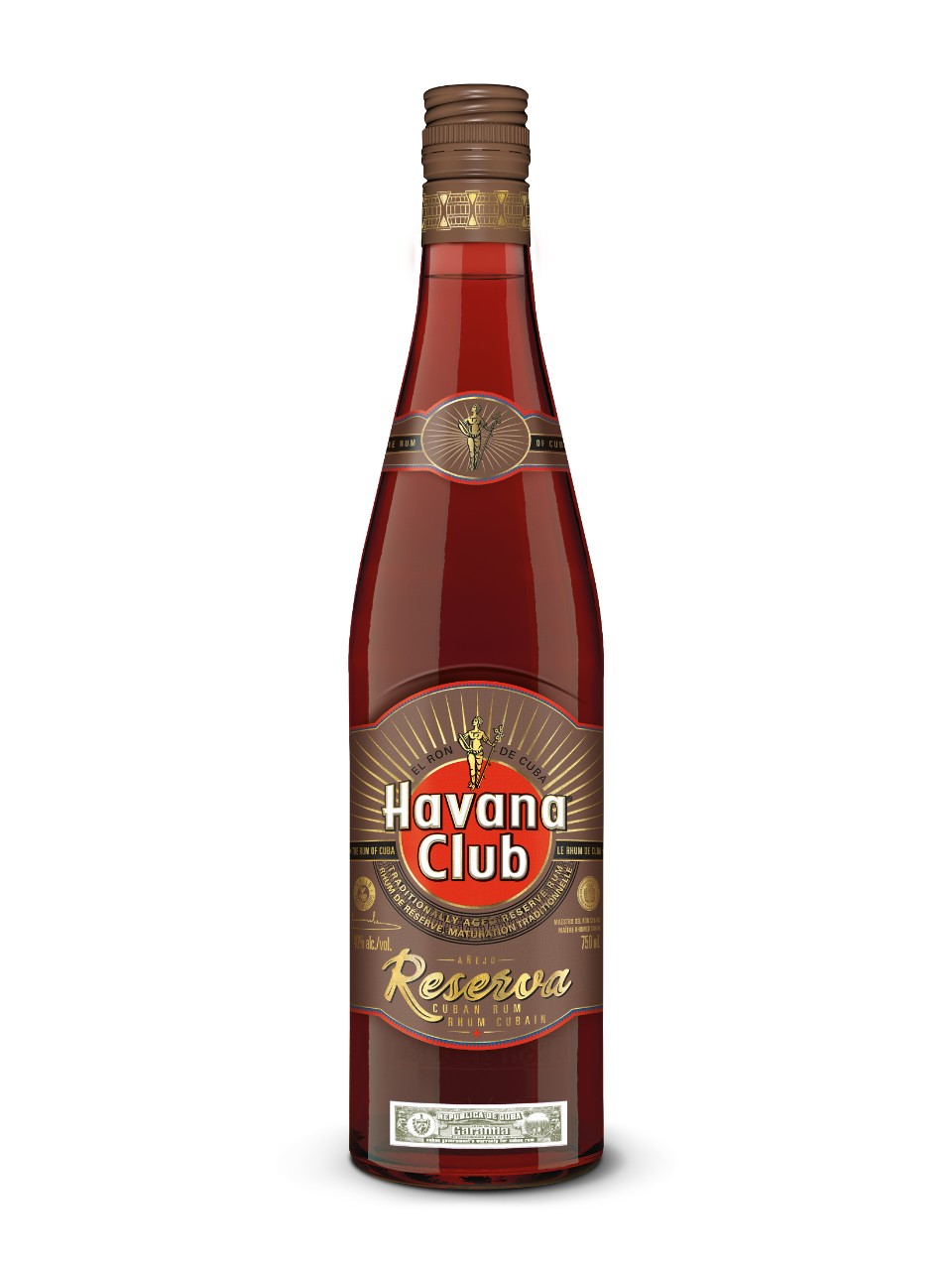
Spanish for "aged," this rum is barrel-aged for a smoother, more complex flavor than white rum.
Origin
Spanish-speaking rum-producing countries (Cuba, Puerto Rico, the Dominican Republic), where añejo ("aged") denotes rum rested in oak barrels.
History
Añejo is simply Spanish for "aged," and the term developed alongside Spanish-Caribbean rum houses (Cuban, Puerto Rican, and Dominican producers especially) as they began marketing barrel-aged expressions distinct from young, unaged white rum. Unlike tequila's legally defined añejo category, rum's use of the word isn't standardized by a single regulatory body, so it varies by producer and country, though it generally signals meaningful time in oak and a correspondingly richer, more complex profile than a standard gold rum.
Flavor profile
Rich vanilla, caramel, and dried fruit from extended oak aging, fuller-bodied and more complex than a standard gold or aged rum.
Tasting notes
Deep amber to mahogany in color, with layered vanilla, caramel, toasted oak, and dried fruit, often approaching the complexity of a fine brandy or aged whiskey the longer it's rested. Best suited to stirred, spirit-forward drinks or simply sipped, rather than mixed into anything that would bury its depth.
Substitutes
- Aged rum from a different producing country, since both describe broadly the same barrel-aged style.
- A well-aged brandy, for a similarly rich, oak-driven substitute in a stirred cocktail.
- Bourbon, when oak and caramel character matter more in the recipe than a specifically rum-derived sweetness.
Common cocktails