

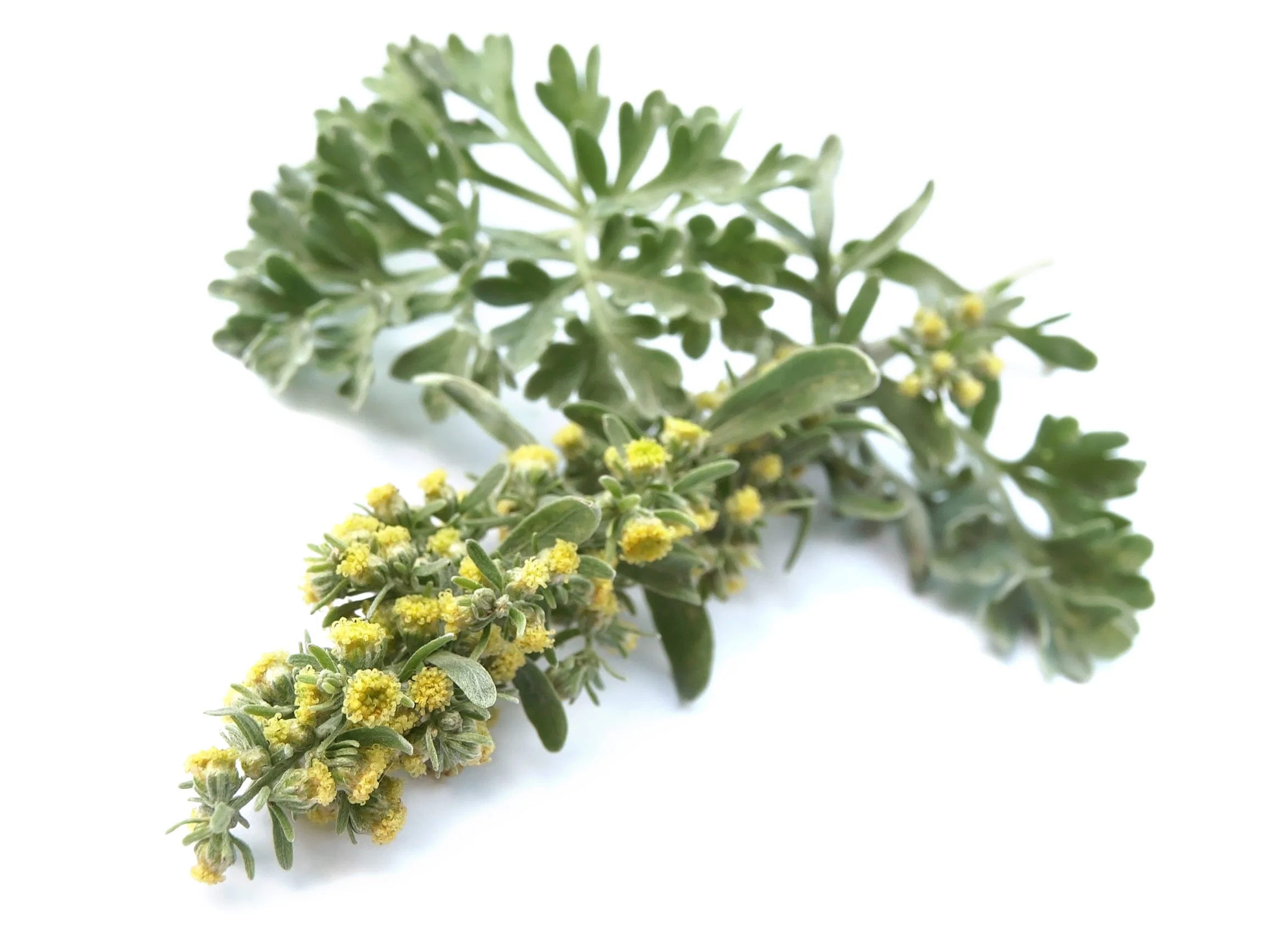
Wormwood
A bitter herb historically used in absinthe and vermouth production.
Origin
Europe and Asia, a bitter herb (Artemisia absinthium) used medicinally for millennia, most famous today as absinthe's defining, and once-controversial, botanical.
History
Wormwood has a long history of medicinal use across Europe and Asia, valued for its intense bitterness, and it became infamous as the central botanical in absinthe, the anise-and-herb spirit that swept through 19th-century France before a moral panic (partly fueled by unfounded fears about a compound called thujone) led to it being banned across much of Europe and the U.S. by the early 20th century. Absinthe's modern legal revival, beginning in the 2000s once regulators accepted that properly made absinthe posed no special danger, restored wormwood's place as a defining, if carefully regulated, cocktail botanical, and it also lends vermouth its name (from the German "wermut").
Flavor profile
Intensely bitter and herbaceous, with a sharp, almost medicinal edge.
Tasting notes
A powerful, assertive bitterness that must be used carefully and in small quantities, historically associated with absinthe's mystique and vermouth's herbal backbone rather than a standalone cocktail ingredient.
Substitutes
- Absinthe itself, for the most direct way to introduce wormwood's character into a drink.
- Vermouth, for a much milder, wormwood-adjacent substitute.
- A different bittering herb (like gentian), for a related but distinctly different bitter substitute.
Common cocktails