
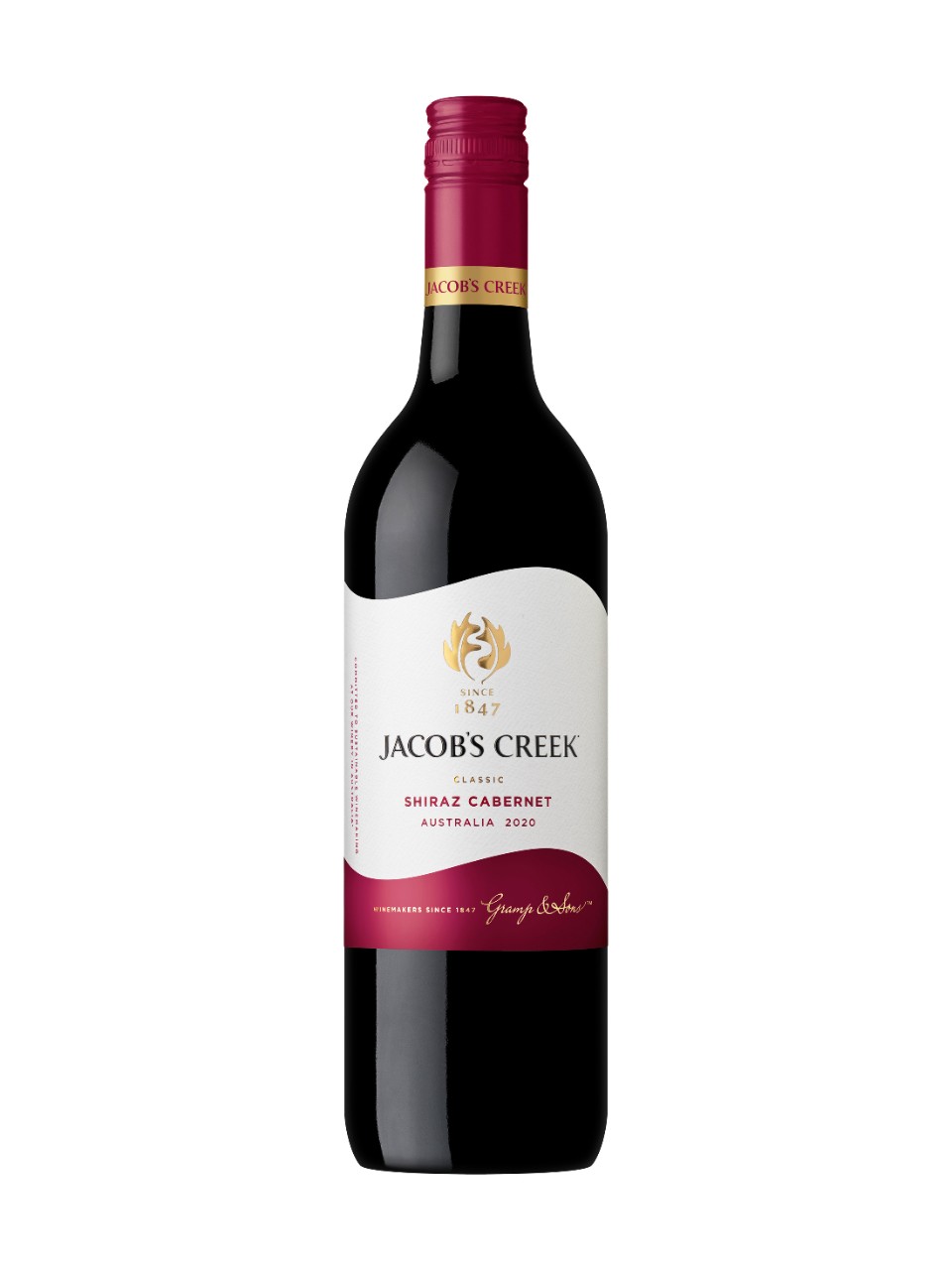
Wine
Fermented grape juice, used in some cocktails and punches for body and acidity.
Origin
The Caucasus region (modern Georgia and Armenia), with winemaking evidence dating back roughly 8,000 years, spreading across the ancient world through trade and conquest.
History
Wine ranks among humanity's oldest fermented beverages, with archaeological evidence of production in the Caucasus region dating back roughly 8,000 years, and it spread across the Mediterranean and eventually the entire world through trade, religion, and conquest, becoming deeply embedded in countless cultures' culinary and ceremonial traditions. As a generic glossary category, "wine" stands in for whichever red, white, or other wine style a particular recipe calls for without specifying a precise varietal or region.
Flavor profile
Varies enormously by type, from light and crisp (white) to bold and tannic (red) to sweet and fortified (dessert wines).
Tasting notes
As a catch-all category, wine's character depends entirely on the specific type and style used, ranging across virtually every flavor profile possible in a fermented grape beverage, from bright and acidic to rich and tannic to sweet and fortified.
Substitutes
- The specific wine style (red, white, sparkling) called for in a given recipe, since the category is far too broad to substitute generically.
- A dry vermouth or sherry, for a fortified, more shelf-stable substitute in smaller quantities.
- Grape juice with a splash of vinegar, as a non-alcoholic approximation of wine's sweet-tart character.