
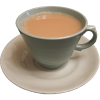
Tea
Brewed tea, used as a mixer or base for cocktails and punches.
Origin
China, where tea drinking dates back thousands of years, later spreading worldwide and becoming a cocktail ingredient especially through British colonial-era punches and modern tea-infused cocktails.
History
Tea's origins as a beverage trace back millennia in China, spreading through Asia and eventually to Europe via trade routes, becoming especially entrenched in British culture by the 17th and 18th centuries. Its cocktail role dates back to colonial-era punches, which often used tea as a base or flavoring alongside spirits, citrus, and spice, a tradition that modern bartenders have revived through tea-infused spirits and tea-based cocktails that draw on the huge range of flavors different tea varieties offer.
Flavor profile
Varies enormously by variety, from light and floral (green, white) to robust and tannic (black) to smoky (lapsang souchong) or herbal (chamomile, mint).
Tasting notes
As a broad category, tea's character depends entirely on the variety brewed - the shared trait is a distinct astringency and depth that can stand up well against spirits, adding complexity to punches, iced cocktails, and hot toddies alike.
Substitutes
- A different tea variety close in character to the one called for, since flavor varies so widely across the category.
- Tea-infused syrup, for a sweetened, more concentrated alternative to brewed tea.
- Herbal tisane, for a caffeine-free substitute with a related aromatic quality.