

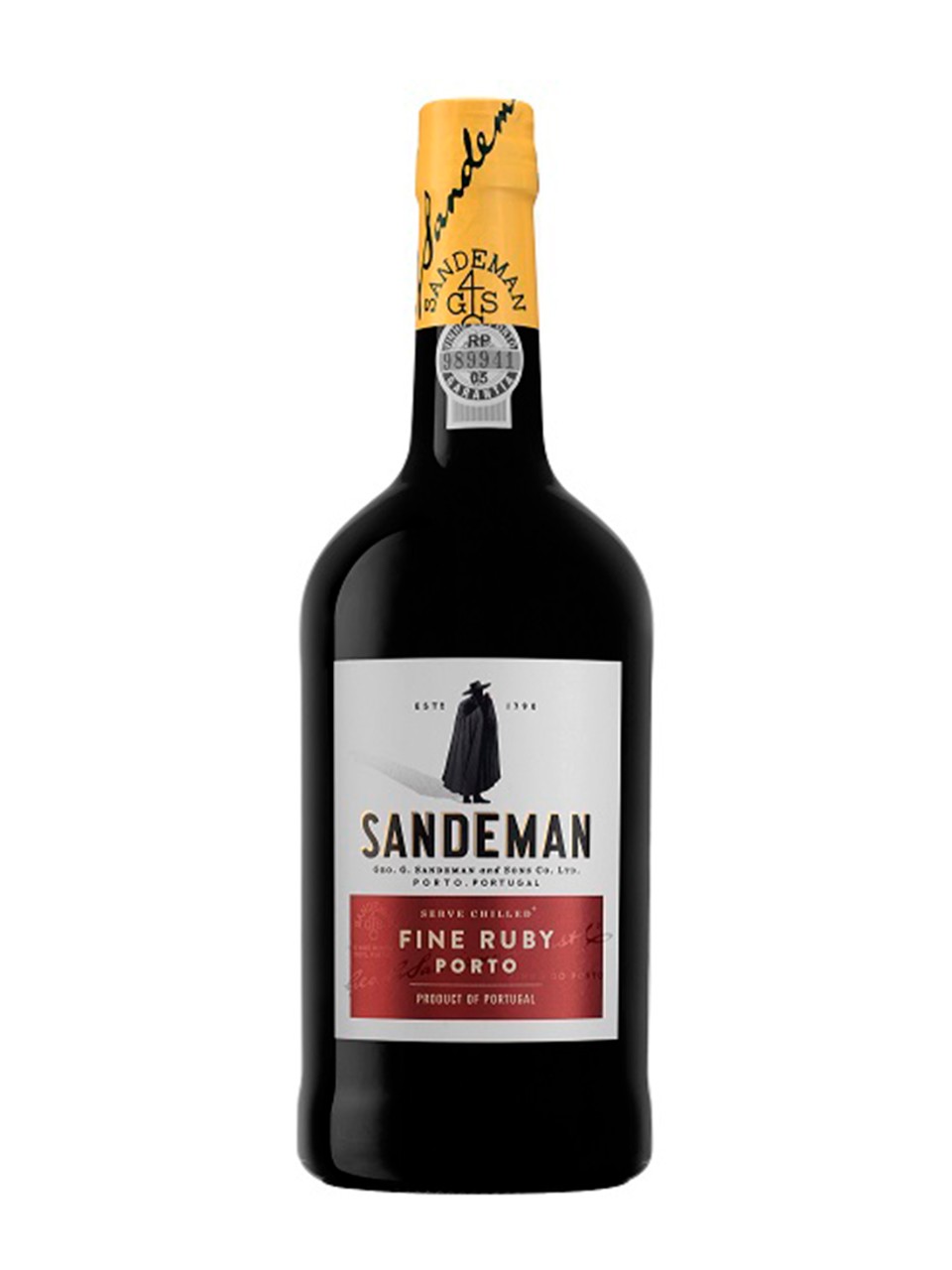
Ruby Port
A young, fruity style of port with a deep ruby-red color.
Origin
The Douro Valley, Portugal, the youngest, most fruit-forward style within the broader port wine category developed in the 17th century.
History
Ruby port is the youngest, freshest style within port's broader family, aged only briefly (typically around 2-3 years) in large vats or tanks specifically to preserve the wine's vivid red color and bold, fresh fruit character, in contrast to tawny port's much longer barrel aging, which mellows color and flavor toward nuts and caramel instead. It follows port's general 17th-century origin as a fortified wine developed by English merchants trading with Portugal, remaining the most affordable and widely available port style, valued for its straightforward, fruit-forward drinkability.
Flavor profile
Bold dark fruit (blackberry, cherry, plum) sweetness with less complexity than longer-aged port styles.
Tasting notes
Vivid, jammy dark fruit dominates, without the nutty, caramelized complexity that longer barrel aging brings to tawny port - a straightforward, fruit-forward style well suited to mixing or casual sipping rather than slow, contemplative drinking.
Substitutes
- Tawny port, for a different, nuttier, more caramelized substitute if ruby's fresh fruitiness isn't wanted.
- A full-bodied, slightly sweet red wine, for a non-fortified substitute in a pinch.
- A different ruby port producer, since the style stays fairly consistent across the category.
Common cocktails