

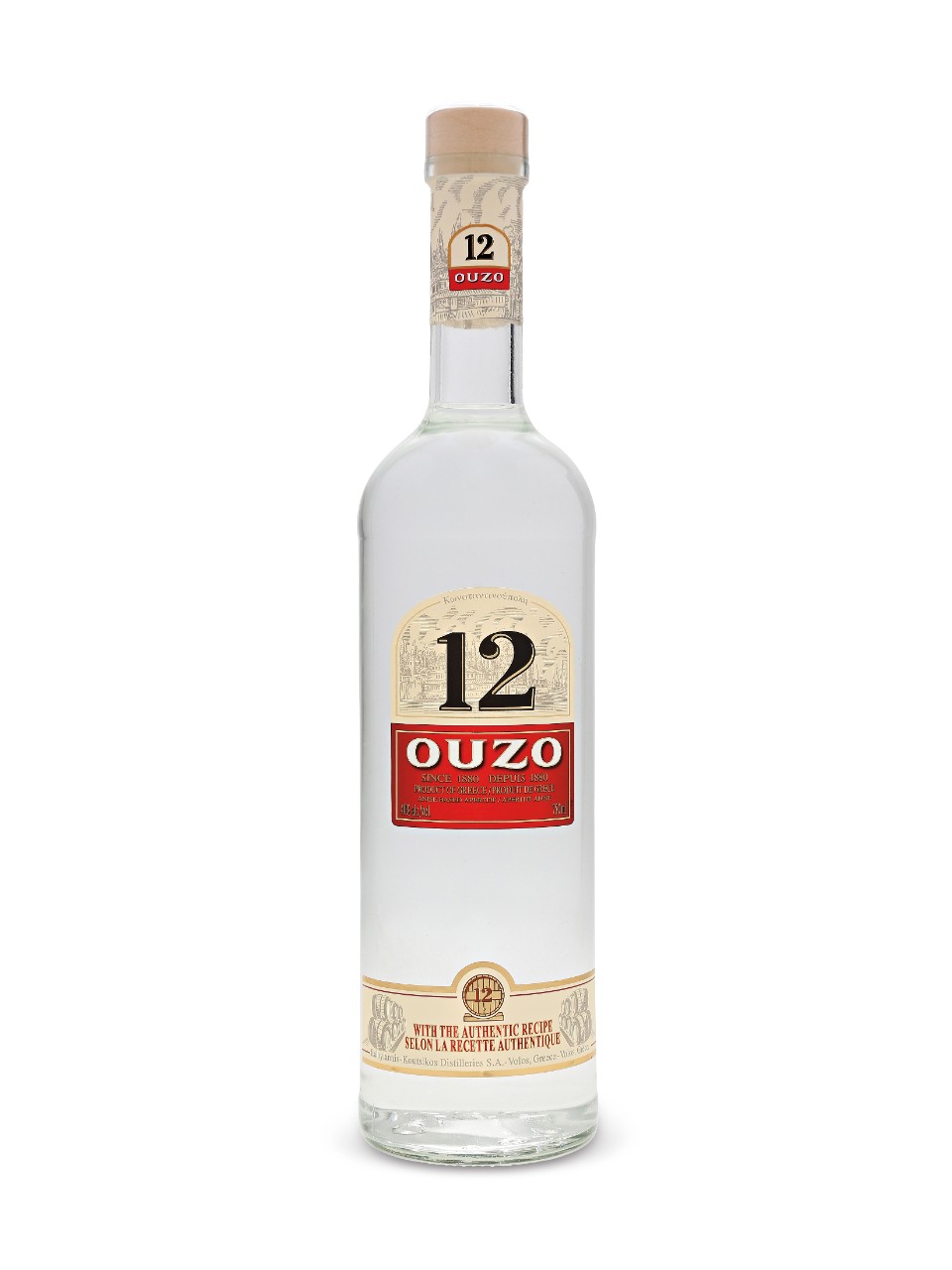
Ouzo
A Greek anise-flavored spirit that turns cloudy white when mixed with water or ice.
Origin
Greece, particularly the island of Lesbos (especially the town of Plomari), with roots tracing to 14th-century monastic tsipouro production and a distinct commercial identity forming in the early 19th century.
History
Modern ouzo evolved from tsipouro, a grape-based pomace brandy traced to 14th-century monks on Mount Athos, with ouzo itself believed to have first been produced in the town of Tyrnavos in the early 1800s. The island of Lesbos, especially Plomari, became its spiritual home, with the first recorded Lesbos distillery founded there in 1856 and the Varvayiannis family establishing their own in 1860. Production surged after Greek independence, copper-still distillation became standard by 1932, and since 2006 the name "ouzo" has been a legally protected designation of origin, meaning it can only be produced in Greece.
Flavor profile
Intensely anise-forward and licorice-sweet, similar to other Mediterranean anise spirits but considered Greece's national drink.
Tasting notes
Strong black licorice and anise dominate, turning cloudy (louched) when mixed with water or ice, a visual and flavor transformation shared with other anise spirits like absinthe and pastis - traditionally sipped slowly alongside small savory dishes (mezze) rather than mixed into cocktails.
Substitutes
- Pastis, for a related but distinctly different French anise spirit.
- Raki, for a similar Turkish anise spirit with a comparable role.
- Anisette, for a sweeter, lower-proof substitute if straight ouzo's intensity isn't wanted.
Common cocktails