Lillet
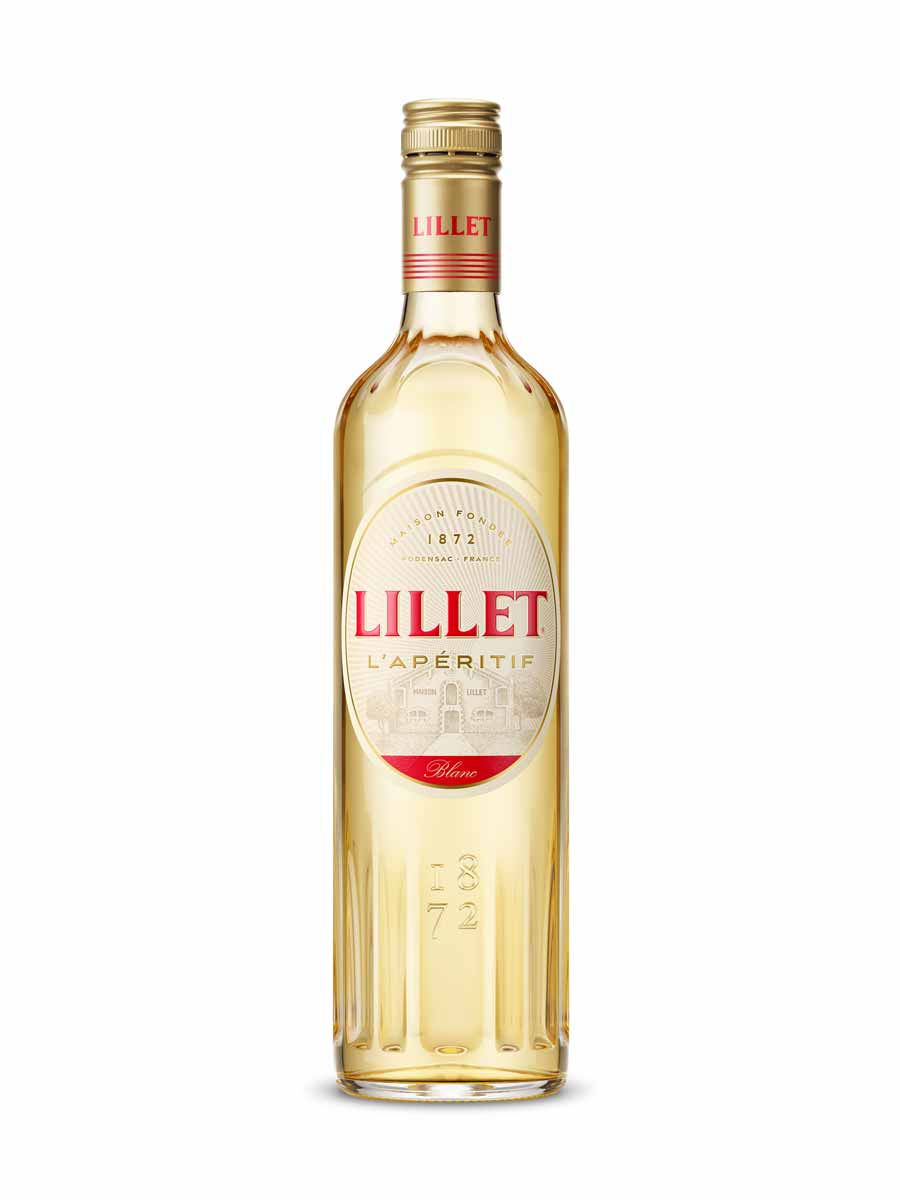
A French aperitif wine blending grapes with citrus liqueurs and quinine, lighter and more floral than vermouth. It's bottled in France at 17% alcohol, typically in a 750 mL bottle.
Origin
Podensac, near Bordeaux, France, founded in 1872 by brothers Paul and Raymond Lillet.
History
Paul and Raymond Lillet founded their wine and spirits merchant house in 1872 in Podensac, south of Bordeaux, and in 1887 developed their signature product: a fortified, quinine-infused aperitif wine originally called Kina Lillet, inspired by a doctor who had returned from Brazil with knowledge of cinchona bark's medicinal properties. The Lillet name today covers a small family of aromatized wine aperitifs (Lillet Blanc, Lillet Rouge, and Lillet Rose), all built on the same base of Bordeaux wine fortified with citrus liqueurs and quinine, though the original Kina Lillet formula was reformulated in 1985 to reduce its bitterness.
Flavor profile
Fruity and lightly bitter, wine-based with citrus and botanical complexity that varies by which Lillet style is used.
Tasting notes
As a general family, Lillet aperitifs balance real fruit sweetness against a gentle underlying bitterness from citrus peel and cinchona bark, meant to be sipped chilled on their own as much as used in cocktails.
Substitutes
- Lillet Blanc specifically, when a recipe simply calls for "Lillet" without further specification, since it's the most common modern bottling.
- Cocchi Americano, for a related quinine-based aperitif wine with more pronounced bitterness.
- Dry vermouth, for a different but broadly similar role as a lighter, wine-based cocktail modifier.