

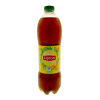
Iced Tea
Chilled brewed tea, sweetened or unsweetened, used as a mixer or base.
Origin
The United States, popularized nationally at the 1904 St. Louis World's Fair, though regional versions existed earlier, especially in the American South.
History
Cold tea drinks existed in America before the 20th century, but iced tea's popularization is usually traced to the 1904 St. Louis World's Fair, where a hot summer reportedly led vendor Richard Blechynden to serve his tea over ice rather than hot, an idea that caught on and spread nationally. It became especially entrenched in Southern U.S. drinking culture (sweet tea specifically) and later gave rise to the "Long Island Iced Tea," a 1970s cocktail that contains no actual tea but is colored and named to resemble it.
Flavor profile
Tannic and mildly bitter, with sweetness varying widely depending on regional style (unsweetened, lightly sweetened, or Southern-style very sweet).
Tasting notes
A refreshing, tannic backbone that can carry either sweetness or citrus depending on preparation, used in cocktails both as an actual mixer (spiked iced tea drinks) and as a visual/flavor reference point in tea-colored cocktails that don't actually contain tea.
Substitutes
- Cold black tea, brewed fresh, for the closest equivalent.
- Arnold Palmer (iced tea and lemonade blend), for a sweeter, citrus-forward variation.
- A different tea style entirely, if the specific tannic character of black tea isn't essential.
Common cocktails