
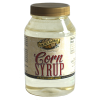
Corn Syrup
A thick, mild sweetener occasionally used in older cocktail recipes.
Origin
The United States, developed industrially in the 19th century as a cheaper sweetener alternative derived from corn starch.
History
Corn syrup was developed as American corn production scaled up dramatically through the 19th and 20th centuries, offering food and beverage manufacturers a cheaper, more consistent sweetener than cane or beet sugar. In bartending, it appears mostly in certain classic recipes and some modern syrups where its distinct texture (thicker, less prone to crystallizing than simple syrup) is specifically useful, though it's a less common bar ingredient than plain sugar syrup.
Flavor profile
Neutral sweetness with very little flavor of its own, thicker in texture than a sugar-and-water simple syrup.
Tasting notes
Tastes almost purely sweet without sugar syrup's slight crispness, and its thicker, more viscous texture can add body to a drink beyond just sweetness.
Substitutes
- Simple syrup, for a very close substitute in most recipes that call for corn syrup's sweetness.
- Honey syrup, for a different but comparably thick, sweet substitute with more flavor of its own.
- Agave syrup, for a similarly smooth, easily-dissolving sweetener.