
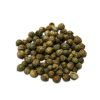
Coriander
The dried seed of the cilantro plant, with a warm, citrusy flavor.
Origin
The Mediterranean and Southwest Asia, one of the oldest cultivated spices, with seeds found in Bronze Age archaeological sites.
History
Coriander seed (the dried fruit of the same plant whose leaves are called cilantro) has been used since antiquity across the Mediterranean and Middle East, among the oldest spices with archaeological evidence of use. It became a key botanical in gin production specifically, providing a warm, citrusy counterpoint to juniper in the classic London Dry recipe, which is its main role in cocktail culture rather than being muddled or used fresh the way cilantro leaves are.
Flavor profile
Warm and citrusy, with a slightly nutty, floral quality quite different from fresh cilantro leaf's brighter, greener character.
Tasting notes
Toasted coriander seed brings a warm, citrus-and-spice character that's central to gin's botanical backbone, distinct enough from fresh cilantro that the two shouldn't be assumed interchangeable despite coming from the same plant.
Substitutes
- A gin with a coriander-forward botanical bill, if the goal is to boost that specific note in a gin cocktail.
- A pinch of ground cardamom, for a different but comparably warm, citrusy spice note.
- Citrus peel alone, if coriander's specific warmth isn't essential and only the citrus quality matters.