
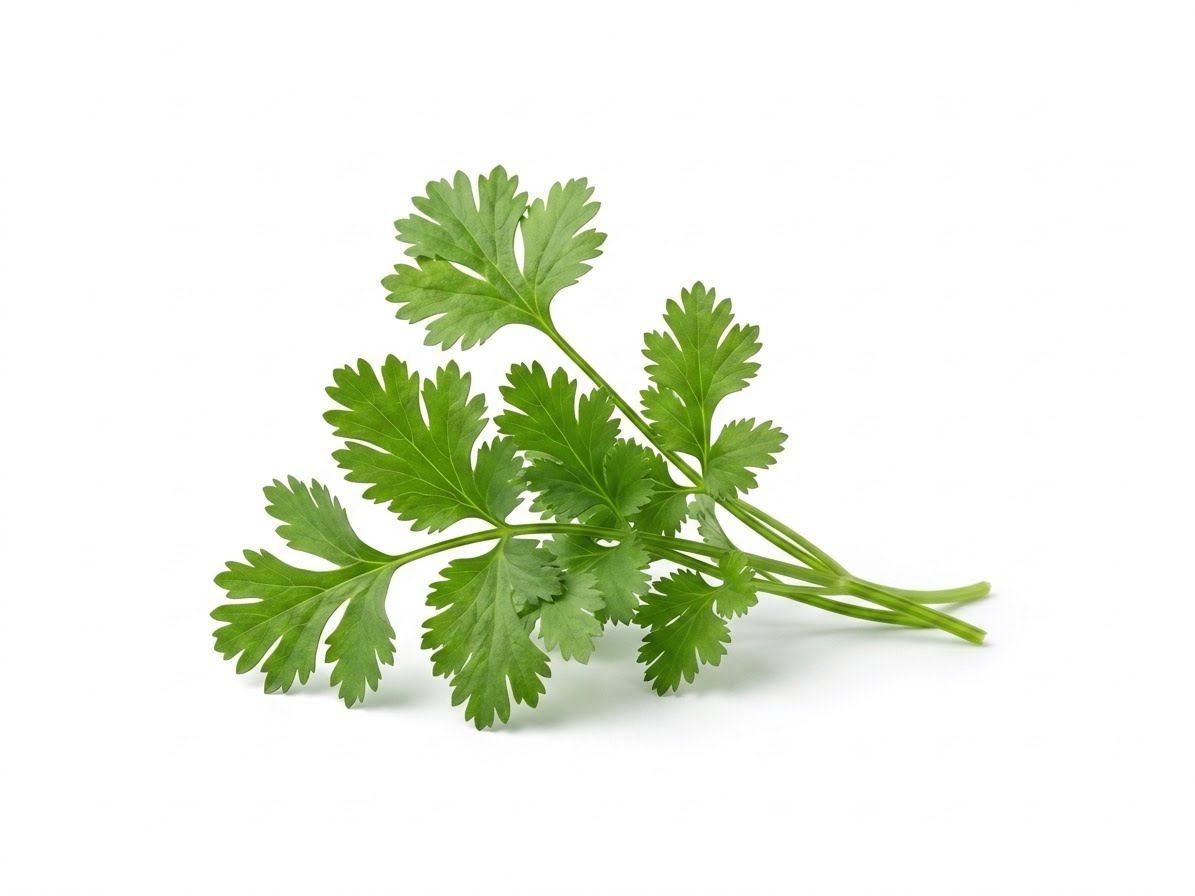
Cilantro
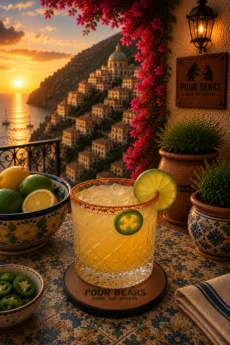
Fresh cilantro (coriander) leaves, muddled or used as a garnish for a bright, herbal note in savory or citrus-forward cocktails.
Origin
The Mediterranean and Southwest Asia, one of the oldest cultivated herbs, now grown and used in cuisines worldwide.
History
Cilantro (the same plant as coriander, whose leaves are called cilantro and whose seeds are called coriander) has been cultivated since ancient times across the Mediterranean and Middle East, later spreading to Latin America and Asia where it became especially central to Mexican, Southeast Asian, and Indian cooking. Its cocktail use is fairly recent, part of the fresh-herb-and-muddled-ingredient trend, pairing especially well with tequila and other Latin-inspired drinks given the herb's strong association with Mexican cuisine.
Flavor profile
Bright, citrusy, and slightly peppery, though famously polarizing since a genetic variation makes some people perceive it as tasting soapy.
Tasting notes
Fresh and herbaceous with a distinct citrus-adjacent brightness, muddled or used as a garnish especially in tequila and mezcal cocktails - notably, roughly 10-15% of people carry a genetic trait that makes cilantro taste soapy and unpleasant to them, worth keeping in mind when serving it to guests.
Substitutes
- Mint or basil, for a different fresh herb note without cilantro's polarizing soapy-taste issue for some drinkers.
- Parsley, for a milder, less divisive green, herbaceous character.
- A small amount of cilantro-infused syrup, for the flavor pre-dosed and more evenly distributed.
Common cocktails