
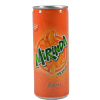
Carbonated Soft Drink
A general term for any fizzy, flavored soda used as a mixer.
Origin
A broad catch-all for any carbonated, flavored, non-alcoholic beverage; the category traces to 18th-century experiments with artificially carbonating water.
History
Carbonated soft drinks descend from 18th-century experiments (notably Joseph Priestley's) in artificially infusing water with carbon dioxide, which pharmacists soon began flavoring and selling as a refreshing, supposedly health-giving tonic. By the late 19th and 20th centuries, mass-produced sodas like cola, lemon-lime, and ginger ale became global consumer staples, and their sweetness and fizz made them a natural, easy mixer wherever a cocktail calls for a generic "soda" without specifying a particular flavor.
Flavor profile
Varies entirely by the specific product, but generally sweet and carbonated.
Tasting notes
As a catch-all category, flavor depends entirely on which soda is actually used - the shared trait across all of them is sweetness and carbonation, which is usually what a recipe is actually calling for when it says simply "soda."
Substitutes
- Club soda or sparkling water plus a splash of simple syrup, to build an equivalent sweetness and fizz from scratch.
- A specific named soda (cola, lemon-lime, ginger ale) that best matches the drink's other flavors.
- Tonic water, when a little bitterness alongside the sweetness and carbonation would also suit the drink.