
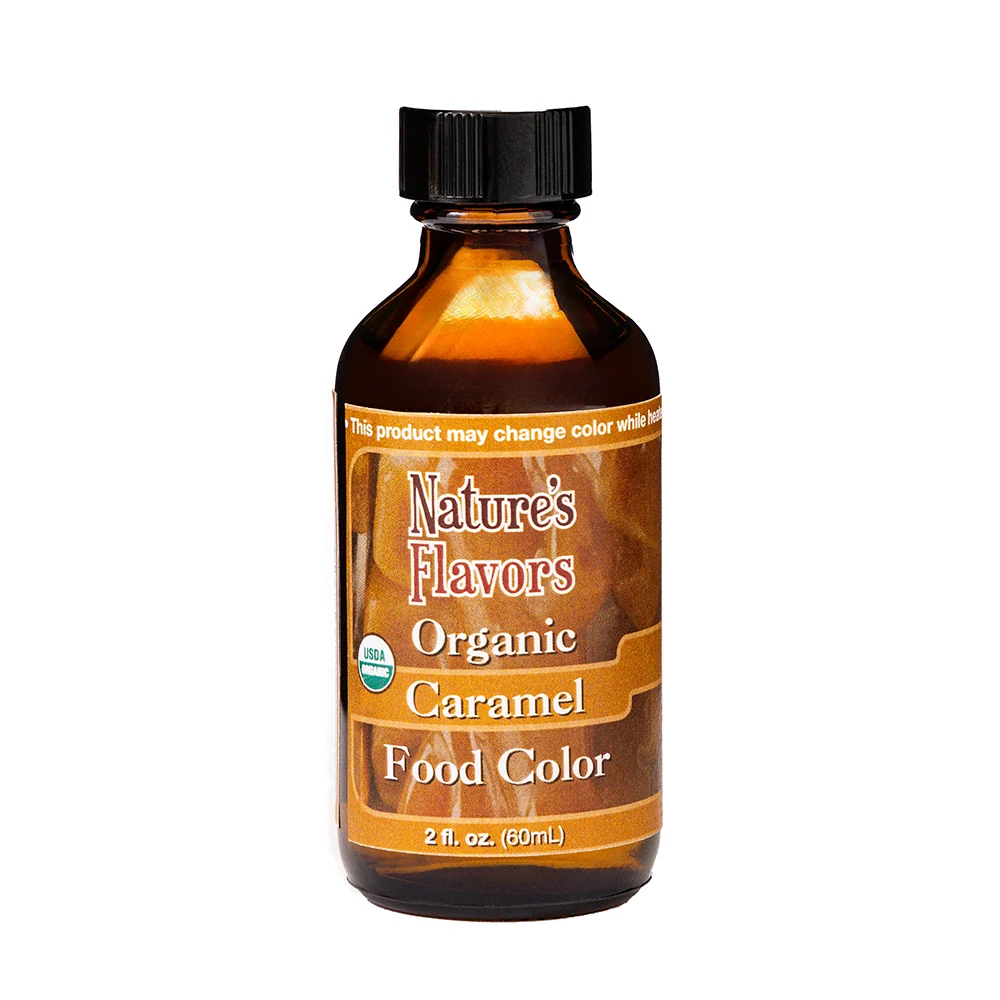
Caramel Coloring
A food coloring used to darken drinks without adding flavor.
Origin
A food coloring made by heating sugar (caramelizing it), used industrially since the 19th century to standardize the color of spirits, sodas, and other products.
History
Caramel coloring became common in the spirits industry as producers sought a consistent, standardized color from batch to batch, since a purely barrel-aged spirit's natural color can vary noticeably by cask. Its use is widespread but controversial among some drinkers and producers, since it lets a young or lightly aged spirit look darker (and seemingly older) than it actually is; some premium and craft producers explicitly avoid it as a point of transparency.
Flavor profile
Neutral to very faintly bitter-sweet; used almost entirely for color rather than flavor.
Tasting notes
In the small amounts typically used, caramel coloring contributes essentially no detectable taste - its entire purpose is adjusting a spirit's or drink's color rather than its flavor.
Substitutes
- A small amount of dark simple syrup or molasses, if color and a touch of real flavor are both wanted.
- Nothing - simply omitting it changes only appearance, not taste, in most home recipes.
- A splash of a darker, naturally-colored spirit, if the goal is a darker drink rather than a darker single ingredient.
Common cocktails