
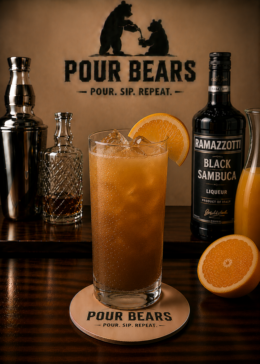
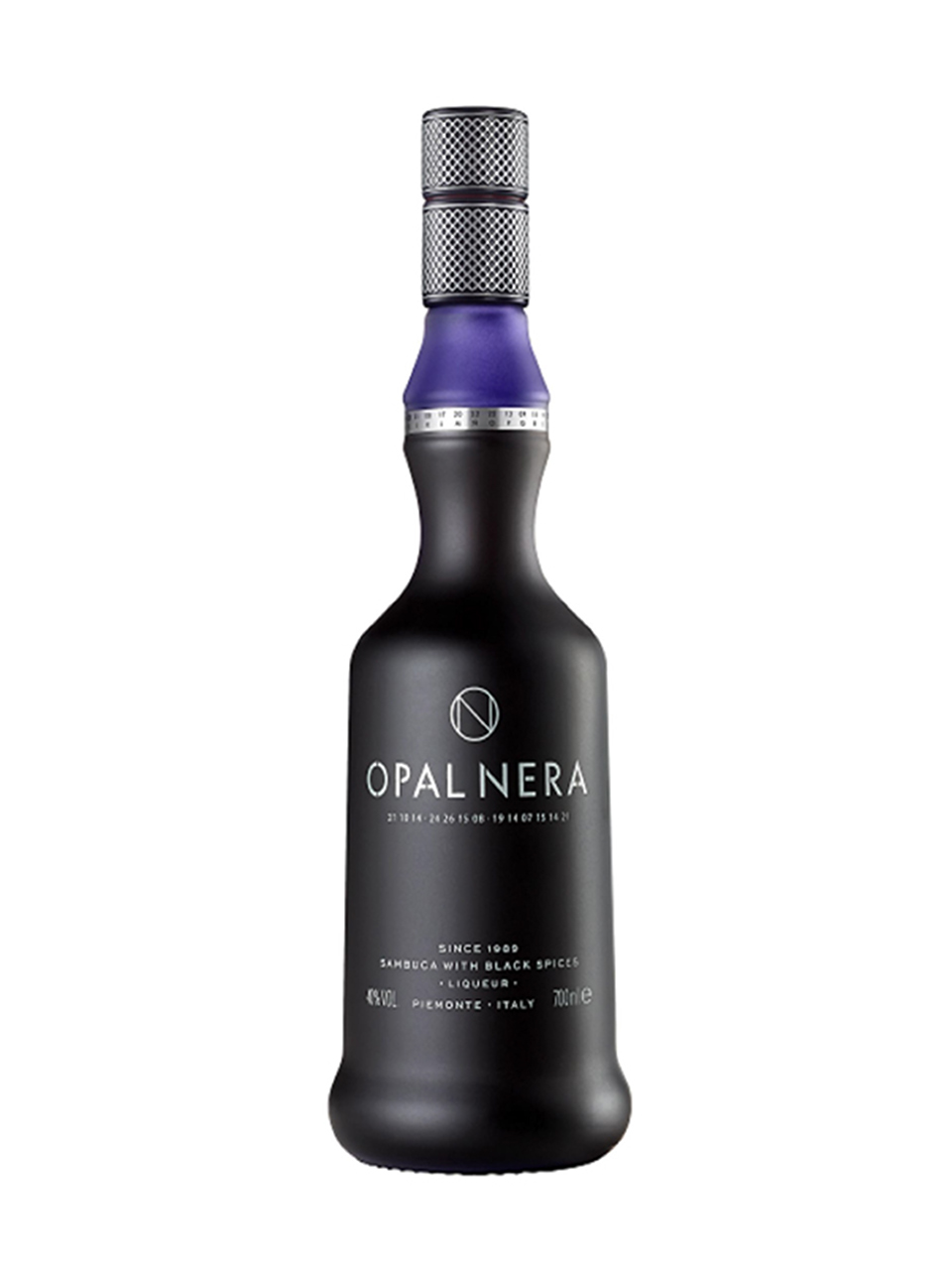
Black Sambuca
A dark, licorice-forward version of sambuca with added herbal bitterness.
Origin
Lazio, Italy, developed alongside white sambuca in the late 19th century, popularized commercially by Luigi Manzi in Civitavecchia.
History
Sambuca as a category has a surprisingly recent history for how traditional it feels, believed to have originated in the Lazio region of Italy in the late 1800s and spread commercially through producers like Luigi Manzi. While clear (white) sambuca, made primarily from star anise, became the most common style worldwide, black sambuca developed as a variant infused more heavily with anise and licorice root, giving it both a darker color and a more pronounced licorice character, alongside a less common red version flavored with fruit or additional spice.
Flavor profile
Intensely anise and licorice-forward, sweeter and darker in both color and character than standard white sambuca.
Tasting notes
A heavier, more licorice-candy-like sweetness than white sambuca's cleaner star-anise profile, with the dark color adding a visual, dramatic element bartenders often use in layered shots and flaming drinks.
Substitutes
- White sambuca, for the same general anise sweetness with a lighter color and slightly different (star anise rather than licorice-forward) flavor.
- Anisette, for a sweeter, lower-proof anise liqueur in a similar role.
- A drop of black food coloring in white sambuca, purely for visual effect, if only the color (not a distinct licorice flavor) matters for a recipe.
Common cocktails