
Banana
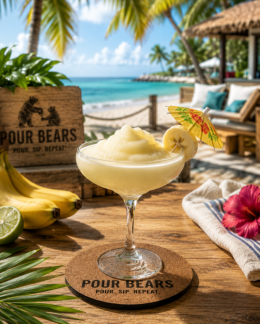
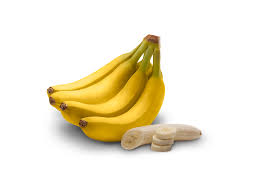
Fresh banana, used blended for smoothness or muddled for flavor.
Origin
Southeast Asia originally, cultivated for thousands of years and now grown commercially across the tropics, especially Latin America and the Caribbean.
History
Bananas were domesticated in Southeast Asia and New Guinea thousands of years ago, then spread through trade and colonization to Africa and, eventually, the Americas, where 19th- and 20th-century plantation companies built enormous export industries around them. In bartending, fresh or muddled banana shows up mostly in tiki and tropical drinks, where its sweetness and body pair naturally with rum, and it's the base fruit behind crème de banane (banana liqueur).
Flavor profile
Soft, sweet, and mildly tropical, with a creamy texture that adds body as much as flavor.
Tasting notes
Ripe banana brings a mellow, custardy sweetness with almost no acidity, which is why it works well blended into frozen tropical drinks but can quickly make a shaken drink feel heavy or dull if overused.
Substitutes
- Banana liqueur (crème de banane), for concentrated banana flavor without the fruit's texture.
- A small amount of ripe plantain, for a starchier, less sweet stand-in in a pinch.
- Banana extract or a banana-flavored syrup, when fresh fruit isn't practical.
Common cocktails