
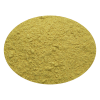
Asafoetida
A pungent, savory spice used in tiny amounts, most common in South Asian cooking and rare in cocktails.
Origin
The dried resin of Ferula plants native to Iran and Afghanistan, traded along the Silk Road into South Asia, where it became a culinary staple.
History
Asafoetida's history traces to ancient Persia, where it was prized as a medicinal resin before spreading along Silk Road trade routes into India, quite possibly carried there by Alexander the Great's army in the 4th century BCE. It found its biggest culinary home in India, where its pungent, savory character made it a favored substitute for onion and garlic in Jain cooking, which prohibits root vegetables and alliums for religious reasons. It also has a lesser-known Roman history, used as a cheaper stand-in for silphium, a beloved ancient flavoring plant that was harvested to extinction. Raw asafoetida smells sharply unpleasant, sulfurous and pungent, but mellows into a smooth, savory, almost umami note once cooked, which is why it's used only in small, well-cooked amounts rather than raw.
Flavor profile
Pungent and sulfurous raw, mellowing into a savory, garlic-and-leek-like note once cooked in fat or hot liquid.
Tasting notes
An overpoweringly sharp, almost rotten smell straight from the jar gives way, once bloomed in hot oil or liquid, to a mild, savory depth reminiscent of cooked onion and garlic. It appears in cocktails only rarely, in tiny, carefully bloomed amounts as a novelty savory or umami accent rather than a standard ingredient.
Substitutes
- A very small amount of garlic or onion, cooked rather than raw, for a related savory note in a culinary application.
- Nothing, in most cases - it's genuinely optional in nearly every cocktail context and easiest to simply omit.
- A dash of savory umami bitters, for bartenders specifically chasing a similar savory accent by other means.