Apple Brandy
Brandy distilled from fermented apples, giving cocktails a rounded, orchard-fruit warmth.
Origin
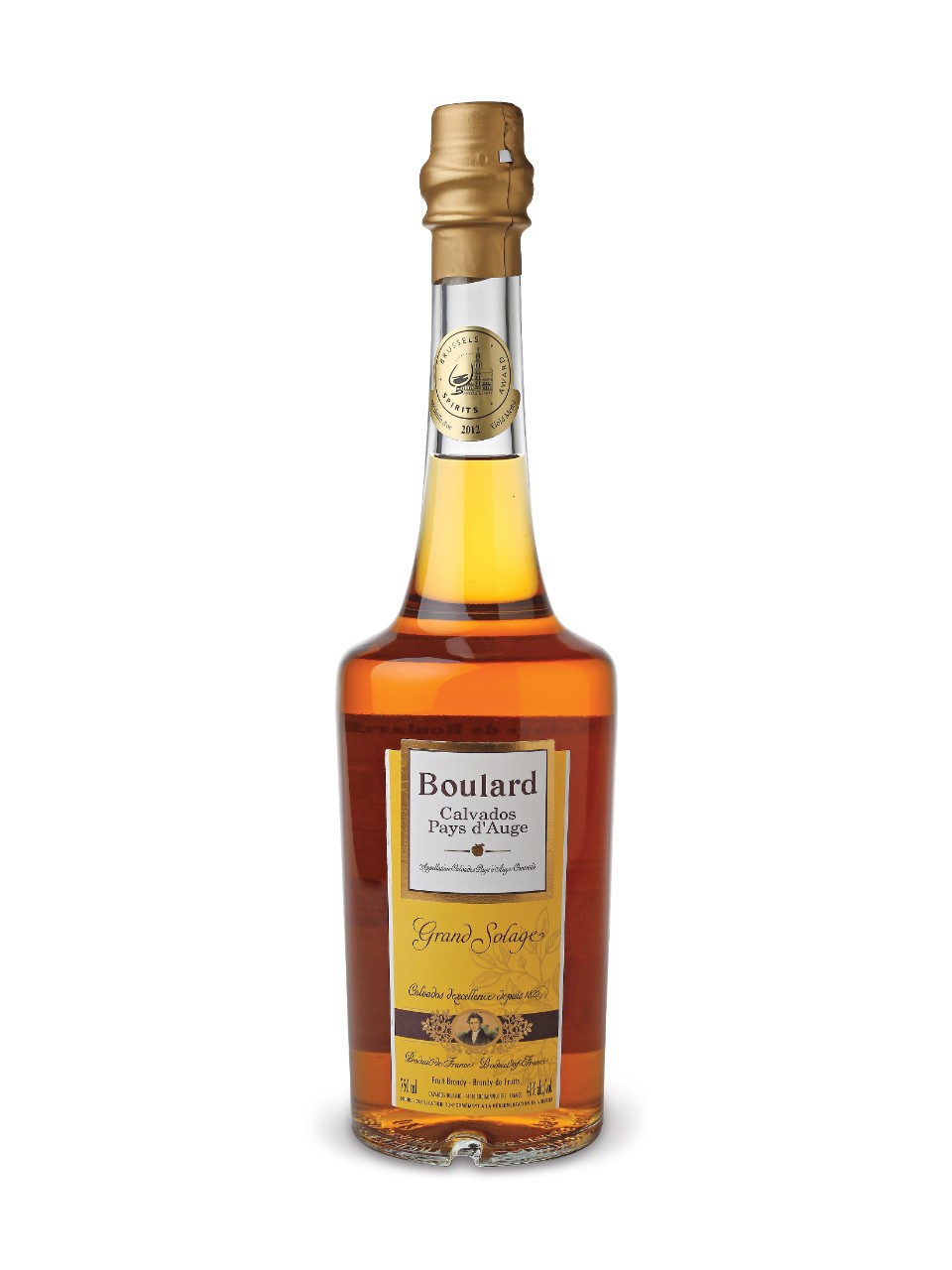
Normandy, France (as Calvados) and colonial New Jersey (as applejack), both distilling fermented apples independently.
History
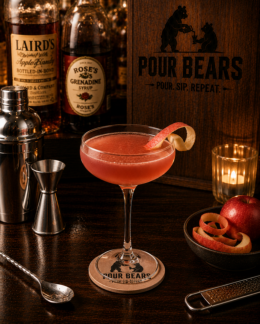
In Normandy, where grapes don't grow as easily as apples, distillers turned cider into brandy instead of wine, and Calvados became a formally protected regional product by the early 20th century. Across the Atlantic, American colonists in New Jersey were making their own apple brandy, known as applejack, as early as the 17th century, originally using a crude freeze-distillation method (letting hard cider partly freeze and skimming off the more concentrated alcohol) before switching to proper pot-still distillation. Applejack was one of the most widely consumed American spirits before whiskey took over that role, and it anchors classic cocktails like the Jack Rose.
Flavor profile
Rounded orchard-fruit sweetness with oak, vanilla, and baking spice from barrel aging, drier and less overtly fruity than a fruit liqueur.
Tasting notes
Apple character is present but subdued, more baked-apple and orchard than fresh fruit juice, layered with vanilla and oak from time in barrel. Calvados tends to be more refined and complex; American applejack can run a bit rougher and more rustic depending on the producer.
Substitutes
- Calvados specifically in place of a generic applejack, or the reverse, since the two are broadly interchangeable in most recipes.
- Brandy, for a similar oak-aged warmth without the apple character.
- Bourbon with a splash of apple juice, as a rough stand-in when no true apple brandy is available.