

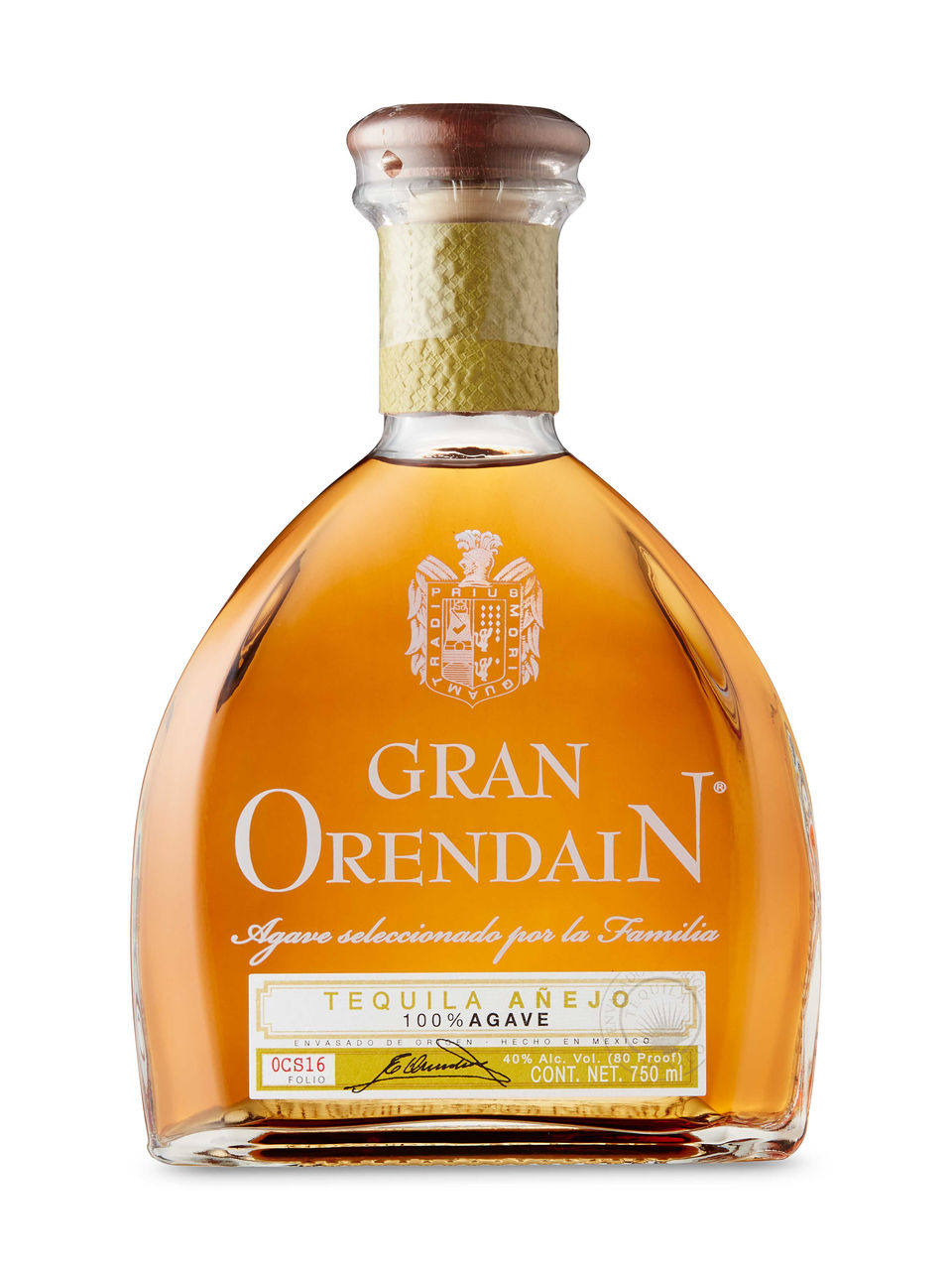
Anejo Tequila
Tequila aged in oak barrels for one to three years, giving it a smooth, amber color and a flavor closer to a fine brandy than a young blanco.
Origin
Jalisco, Mexico, the same agave-growing region as all tequila, aged in oak after distillation under rules set by Mexico's Consejo Regulador del Tequila.
History
Tequila aging categories developed gradually rather than all at once: Mexico's first laws distinguishing aged from unaged tequila date only to 1964, with reposado ("rested," 2-12 months in barrel) and añejo ("aged," a year or more) formally defined in 1968. An even older category, extra añejo (three-plus years), wasn't formalized until 2006 by the Consejo Regulador del Tequila, giving producers a way to market their longest-aged expressions separately. Añejo tequila's rise tracks the broader premiumization of tequila from the 1990s onward, as it shifted from a mixing spirit associated mostly with shots and Margaritas to something bottled and marketed for sipping, closer to how a fine Cognac or Scotch is treated.
Flavor profile
Rounder and richer than blanco or reposado, with vanilla, caramel, and oak layered over tequila's underlying vegetal agave character.
Tasting notes
A year or more in oak turns tequila's bright, peppery blanco character into something closer to a fine brandy: vanilla, caramel, and dried fruit up front, with the agave's vegetal, peppery edge still present but pushed further into the background.
Substitutes
- Reposado tequila, for a lighter version of the same oak-aged character when añejo feels too heavy for a recipe.
- Aged rum or brandy, in a stirred cocktail where oak and caramel matter more than agave character specifically.
- Extra añejo tequila, in the other direction, for an even richer, more barrel-forward result in a sipping cocktail.
Common cocktails